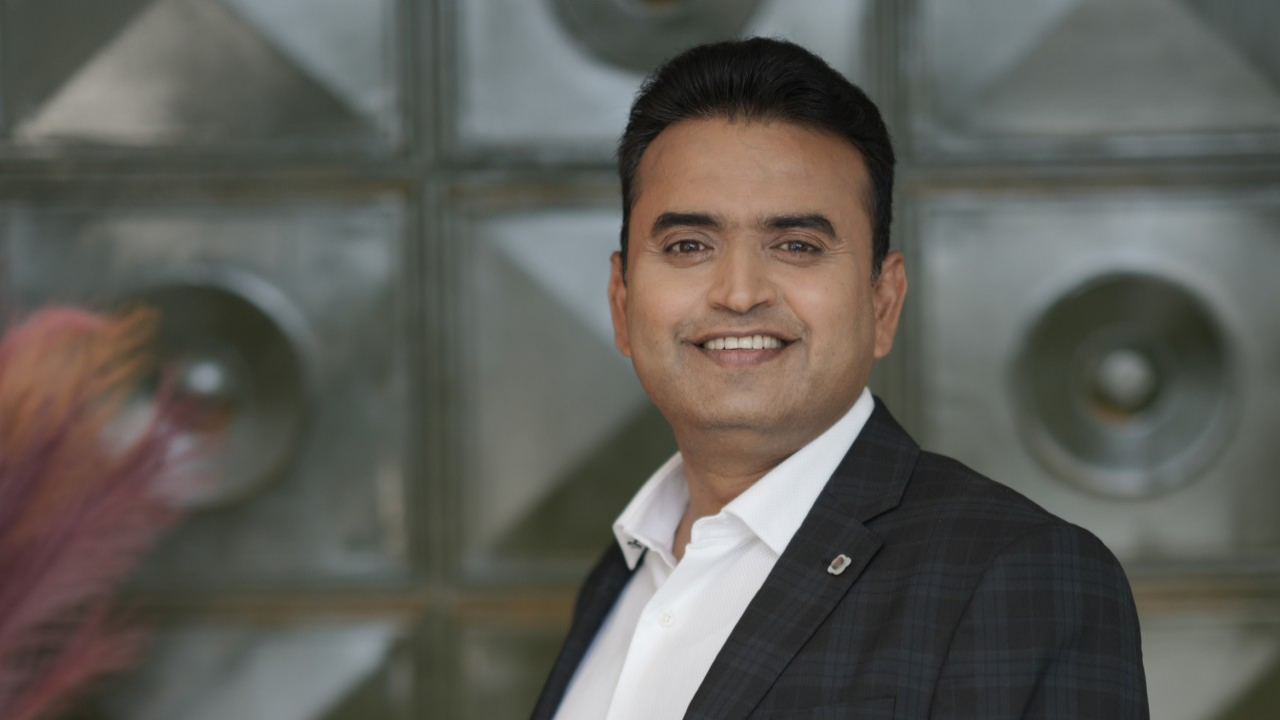
In Conversation with Vijai Subramaniam, Chairman & Co-Founder, Royaloak Furniture
India’s retail sector is increasingly seeing brands open multiple stores within the same city rather than simply expanding into new markets. What are the key factors driving this shift, and how has Royaloak embraced this strategy?
For a long time, retail growth was measured by how many new cities a brand entered. Today, the conversation has shifted to how well a brand serves the cities it is already present in.
We have realised that a city cannot be treated as one market anymore. Every locality has its own identity. Customer demographics, housing developments, traffic conditions, purchasing behaviour, and even the way people spend their weekends can vary significantly within the same city. If you expect one store to cater to all of that, you inevitably leave gaps in customer access.
From our perspective, opening another store in an existing city is about improving convenience and becoming more relevant to customers. Furniture is still a category where people prefer to visit a showroom, experience the products, compare options, and make an informed decision. If that experience requires travelling across the city, many customers simply postpone the purchase.
At Royaloak, we have therefore focused on strengthening our presence in markets where we already understand customer demand. Bengaluru is a good example. Instead of viewing it as one market, we have, for example, looked at individual catchments such as Rajajinagar, Banashankari, and other residential clusters, each serving a different customer profile. That has allowed us to improve accessibility while supporting our omnichannel strategy.
Consumer behaviour differs significantly across metros, Tier 2, and Tier 3 cities. What trends have you observed, and how do they influence decisions around store density and expansion?
The considerable narrowing of the aspiration gap between metro and non-metro consumers is one of the biggest changes we have seen over the last few years. Customers across India are exposed to the same home décor trends, international designs, and lifestyle content through social media and digital platforms. Whether someone lives in Bengaluru or Belagavi, the inspiration is often the same.
Where the difference still exists is in how customers shop. Metro consumers generally prioritise convenience and speed. They are comfortable researching online, comparing multiple brands, and visiting a showroom once they’re close to making a decision. In Tier 2 and Tier 3 markets, the purchase journey is often more deliberate. Customers spend more time evaluating options, involve family members in the decision, and place greater importance on physically experiencing the product before they buy.
Those differences have a direct impact on how we expand. In larger cities, our focus is on increasing accessibility by strengthening our presence across different catchments, making it easier for customers to
visit a store closer to where they live or work. In emerging markets, the opportunity is often about bringing organised furniture retail to places that have traditionally had limited access to it.
In fact, that is one of the reasons we introduced Royaloak Value Stores. They are smaller-format stores designed for Tier 2 and Tier 3 markets, where the economics may not justify a large-format showroom. While the display is curated, customers still have access to our complete catalogue through assisted digital browsing and centralised fulfilment. It allows us to serve these markets efficiently without compromising on choice or customer experience.
As digital channels become the starting point for many purchase journeys, why do physical stores continue to play a vital role, particularly in the furniture and home furnishings segment?
Today, it’s very common for customers to walk into our stores with screenshots from Instagram, products they have shortlisted online, or even room inspiration they have saved over several weeks. By the time they visit a showroom, they have already done a significant amount of research. The store is no longer the place where discovery begins.
Furniture is a category where experience still matters. A customer may like the design of a sofa online, but they still want to sit on it, understand the comfort, compare materials, see the actual finish, and get a sense of its scale before bringing it home. These are decisions that are difficult to make through a screen alone, especially for products that customers expect to use for many years.
We have also seen the conversations inside our stores evolve. Earlier, customers would ask, “What do you have?” Today, they are more likely to ask, “Will this work in my home?” That shift has transformed our stores into consultation spaces where customers seek advice on layouts, colour combinations, furniture planning, and creating complete living spaces rather than simply buying an individual product.
What I am trying to say is, I don’t see digital and physical retail competing with each other. They perform different roles in the same customer journey. Digital creates awareness and inspiration, while the showroom provides the reassurance that ultimately converts intent into a purchase.
Today’s retail stores are evolving into experience centres, fulfilment hubs, and service touchpoints. How is omnichannel retail redefining the purpose of physical stores, and what role do they play in Royaloak’s customer journey?
I think one of the biggest misconceptions is that omnichannel is reducing customer experience to either online or offline. In reality, it is about making the transition between the two invisible for the customer.
A few years ago, a store’s primary role was to sell products. Today, it helps customers experience the products, seek design advice, place orders from a much wider catalogue, choose convenient payment options, coordinate deliveries, and access after-sales support. The store has become part of a much larger ecosystem rather than functioning as an independent sales channel.
At Royaloak, while every showroom showcases a curated range of furniture, customers are not limited to what’s available on the floor. Our teams can help them browse, compare options, and find solutions that suit their space and budget.
Stores also play an important operational role. They strengthen fulfillment, support last-mile delivery, and provide customers with a familiar point of contact long after the purchase has been made. In furniture retail, the relationship doesn’t end when the invoice is generated. Delivery, installation, service, and ongoing support are all part of the overall experience, and the store continues to anchor that relationship.
As organised retail evolves, I believe the most successful stores will be the ones that integrate experience, technology, fulfilment, and customer service into a single, seamless journey.
How do retailers use customer insights, mobility patterns, demographics, and local market data to determine the ideal store locations and optimize neighbourhood-level retail networks?
There is no single metric that tells you where your next store should be. It comes from bringing together multiple indicators and validating them against what you observe on the ground.
We certainly look at factors such as residential growth, demographics, road connectivity, and the pace of new housing development. But equally important is understanding how people actually move through a city. A location that looks attractive on paper may not necessarily be convenient for customers to visit. Accessibility often matters more than distance.
We also pay close attention to our existing customer base. Where are enquiries coming from? Which neighbourhoods are generating repeat business? Are customers travelling long distances to visit a particular store? These insights often highlight underserved catchments where there is an opportunity to improve convenience by strengthening our presence.
Every new location has to make strategic sense within the wider network. We evaluate whether a store will improve customer access, strengthen fulfilment capabilities, and complement our existing footprint rather than compete with it. The more accurately you understand those patterns, the more relevant your physical network becomes.
With faster delivery and convenience becoming key customer expectations, how important is having multiple stores within a city to support fulfillment and enhance the overall shopping experience?
Customer expectations have changed significantly over the last few years. People no longer compare us only with other furniture brands, they compare every retail experience by the service they receive. Faster deliveries, timely installation, and clear communication have become just as important as the product itself.
That’s where having a well-distributed retail network makes a real difference. Multiple stores within a city strengthens the entire ecosystem behind the customer experience. They help us serve different catchments more efficiently, improve coordination with regional warehouses, support last-mile delivery, and provide customers with a convenient point of contact throughout their purchase journey.
In furniture retail, fulfillment involves delivery scheduling, professional installation, post-sales support, and ensuring that the customer has a smooth experience from the moment they place an order until the furniture becomes part of their home.
At Royaloak, our stores are looked at as an interconnected network rather than standalone outlets. As our footprint grows within a city, that network becomes stronger, enabling us to improve accessibility, optimize fulfillment, and provide a more consistent customer experience across every touchpoint.
Do you believe India’s organised retail sector is moving towards hyperlocal retail networks instead of relying on large-format destination stores? What opportunities and challenges does this shift present?
I don’t think it’s a question of one replacing the other. Large-format stores will continue to have an important role, particularly for categories like furniture where customers want to experience a wide range of products in one place. What I do believe is changing is how retailers build around those stores.
Customers today expect brands to be more accessible. They don’t necessarily want to travel across a city for every interaction, whether it’s to explore products, seek design advice, or follow up on an existing purchase. That is why we are seeing organised retail move towards stronger neighbourhood networks that complement larger destination stores rather than compete with them.
The opportunity is significant. A hyperlocal network allows brands to be closer to customers, improve fulfilment efficiency, strengthen after-sales support, and build deeper relationships within individual communities. It also helps retailers respond more quickly to changing demand because they’re operating closer to where customers actually live and work.
At the same time, this model requires far greater discipline. Every new store has to add value to the overall network. Retailers need strong supply chains, integrated inventory systems, and the ability to maintain a consistent customer experience across multiple locations. Without that foundation, expanding store density can create complexity rather than convenience.
Looking ahead, what do you believe will define the next phase of retail expansion in India, and how is Royaloak preparing for the future of organised retail?
I believe the next phase of organised retail will be defined by three things – deeper market penetration, integrated home solutions, and a truly connected omnichannel experience.
The first is that growth will increasingly come from going deeper in a market rather than simply expanding by geography. There is still enormous opportunity in Tier 2 and Tier 3 markets, where aspirations are rising rapidly but organised retail remains underpenetrated. Success in these markets will depend on understanding local demand rather than replicating a metro playbook.
The second shift is that customers are no longer looking to buy individual products; they are looking to create complete homes. We are already seeing strong demand for modular kitchens, wardrobes, mattresses, home décor, and integrated interior solutions alongside furniture. That is changing the role of retailers from product providers to consultants who can help create a holistic look for their homes.
The third is the continued evolution of omnichannel retail. Customers today expect one seamless experience. Whether they discover a product online, visit a nearby showroom, or complete the purchase through a combination of both, the journey needs to feel consistent at every touchpoint.
At Royaloak, our strategy reflects these shifts. We continue to expand our retail footprint, strengthen our presence in emerging markets, invest in new home solution categories, and build an integrated retail ecosystem that combines physical stores with digital convenience. We are also expanding our B2B business by working more closely with developers, institutions, and commercial projects, allowing us to participate in a broader range of growth opportunities.
Our ambition is to grow Royaloak into a ₹5,000 crore business while expanding our network from over 200 stores to around 400 across the country. More importantly, we want to build a brand that remains relevant as customer expectations evolve. Retail expansion in the future will not be defined by the number of stores a company operates, but by how effectively it connects products, services, technology, and customer experience into one seamless journey.